


CICLO DEL AGUA
The weaponization of water: Dominant trends and call for a paradigm shift
Water is becoming one of the defining resources of the 21st century, strained by climate change, overuse, and pollution while simultaneously gaining geopolitical and economic importance. On one hand, UNESCO warns that shrinking glaciers, intensifying droughts, and worsening floods are reshaping water global availability. On the other hand, freshwater demand has risen by nearly 1% per year since the 1980s, driven by population growth and economic expansion. This creates a growing mismatch between water demand and supply. Another important mismatch lies between growing needs and insufficient investment. While some regions expand desalination, wastewater reuse, and efficient irrigation, others struggle to provide basic drinking water and sanitation.

Today, 2.4 billion people live in water‑stressed countries, with women, indigenous communities, migrants, and refugees disproportionately affected.
However, water scarcity is no longer only an environmental or developmental issue; it is a driver of food insecurity, migration, economic instability, and geopolitical tension. Nowadays, water is also being weaponized. Reports by the International Committee of the Red Cross (ICRC) and the Geneva Water Hub document a growing trend in the use of water as a means or method of warfare, including attacks on drinking water supply, sanitation and hydraulic infrastructure.
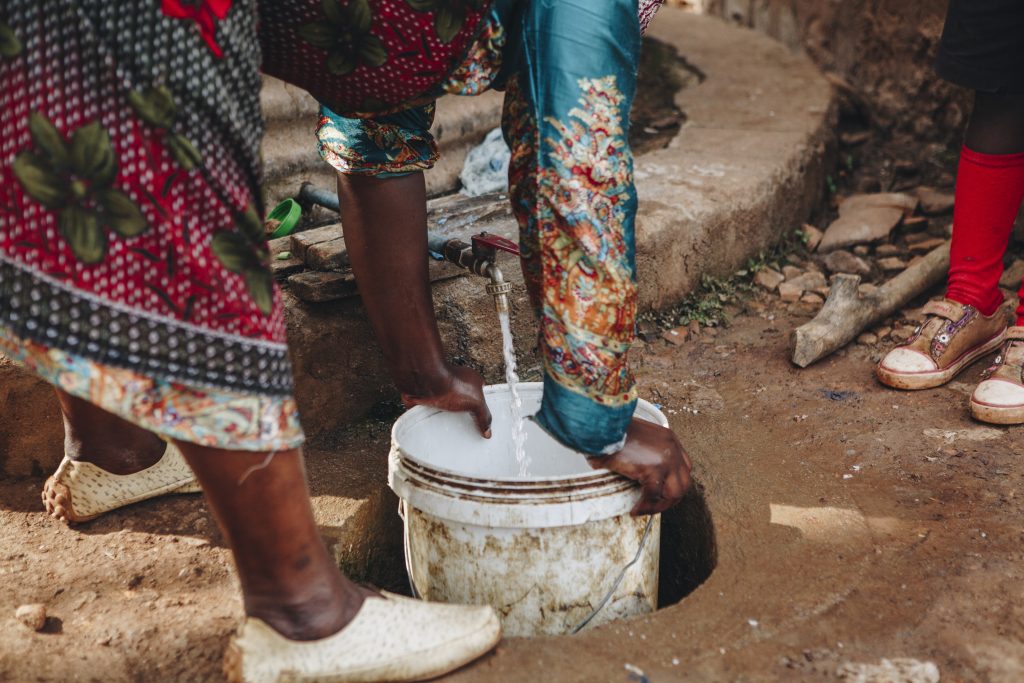
In modern conflicts, which are increasingly in densely populated environments, water systems are targeted either directly or through the interconnected system they depend on (energy supply, telecommunications, chemical inputs and skilled personnel). The destruction or disabling of water systems causes immediate service outages, triggering cascading long‑term consequences. As such, the ICRC and United Nations emphasize that water acts as a “damage multiplier” during wartime: when water systems fail, health, nutrition, dignity and social cohesion deteriorate simultaneously.
International law does contain explicit protections for water systems, including the Geneva Conventions, customary IHL, and the Geneva List of Principles on the Protection of Water Infrastructure. Yet in practice, these protections are routinely ignored or weakly enforced, leaving water systems exposed despite a strong legal framework.
If the law cannot reliably shield water infrastructure, then water management must adapt. The global water community needs to plan, finance, and govern systems with conflict, fragility, and geopolitical risk in mind. Resilient water security now requires decentralized and modular infrastructure, redundancy across sources and power systems, and stronger physical and digital protection of critical assets.
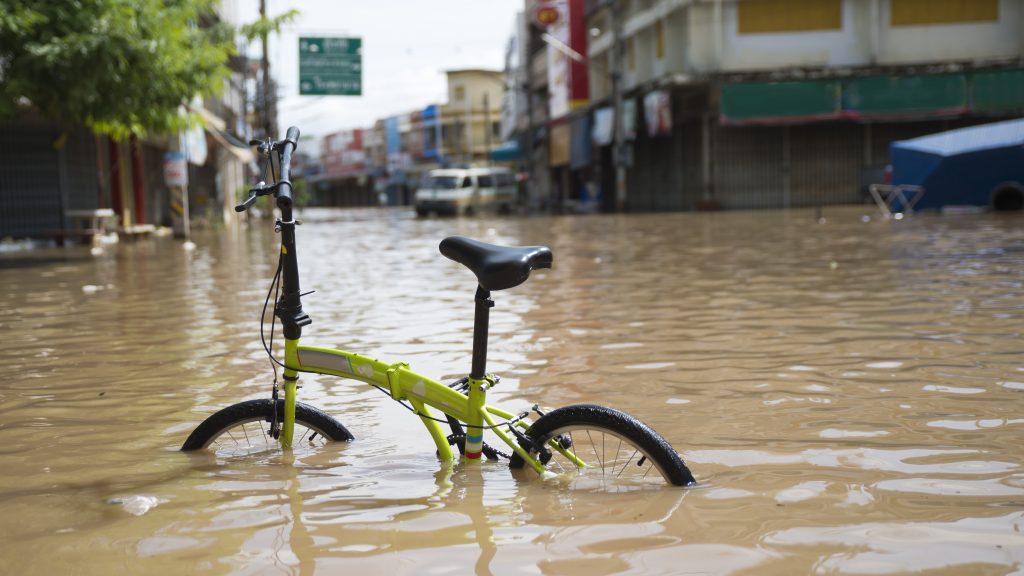
Additional priorities include: a conflict‑sensitive approach that ensures water decisions do not inflame tensions or deepen inequality, stronger regional water diplomacy (shared data, joint monitoring, mediation, and science‑based cooperation), the protection of water workers as humanitarian actors, and finally the investment in modern monitoring and innovation to keep water systems functioning under stress.
These shifts define a new paradigm: water management must become a conflict‑aware field. In a world where infrastructure may be targeted, governance contested, and communities displaced, water security demands planning for uncertainty as much as for efficiency.