


Construction begins on the new proton therapy unit at La Paz University Hospital
Advanced technology to improve people's lives
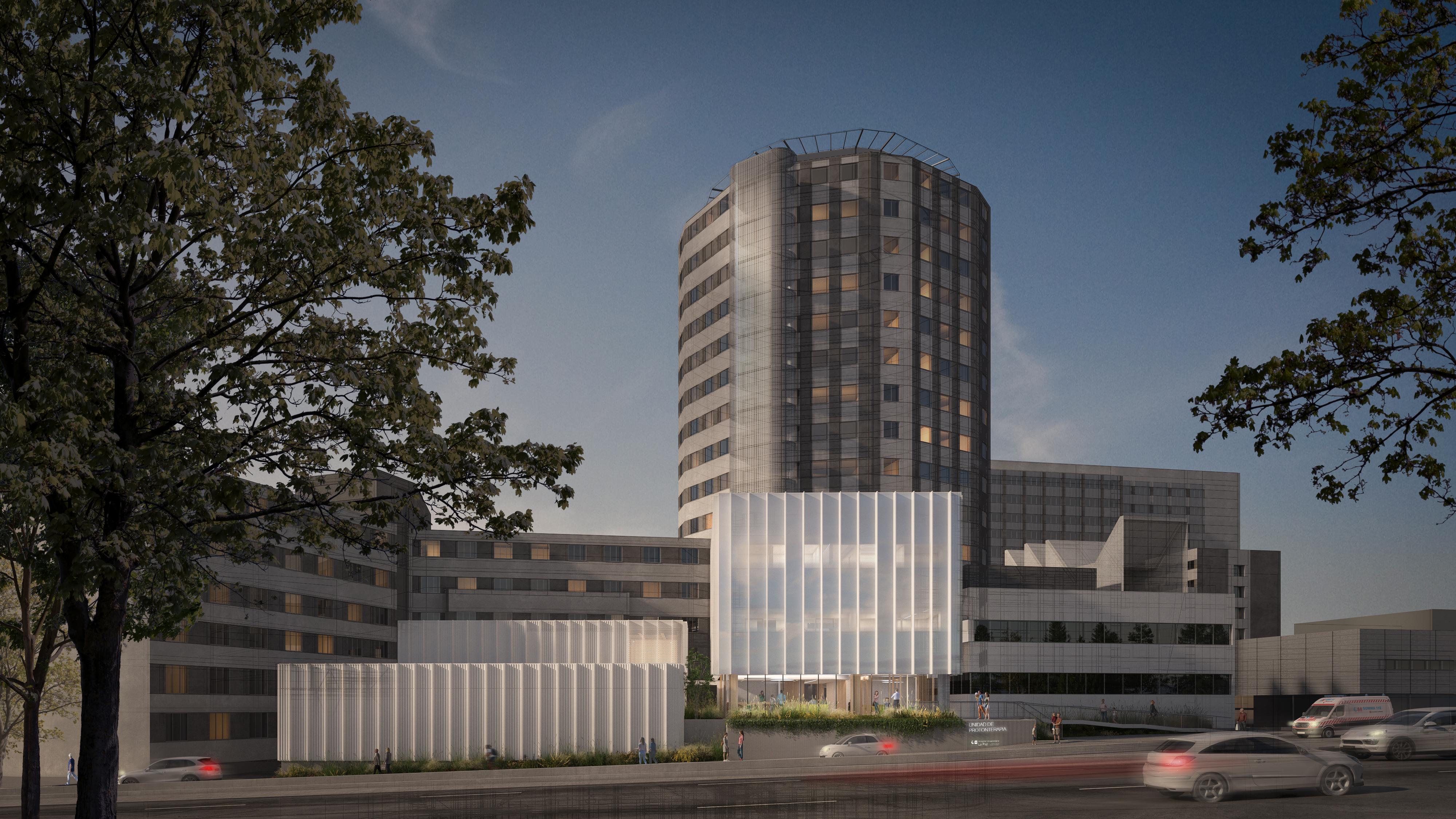
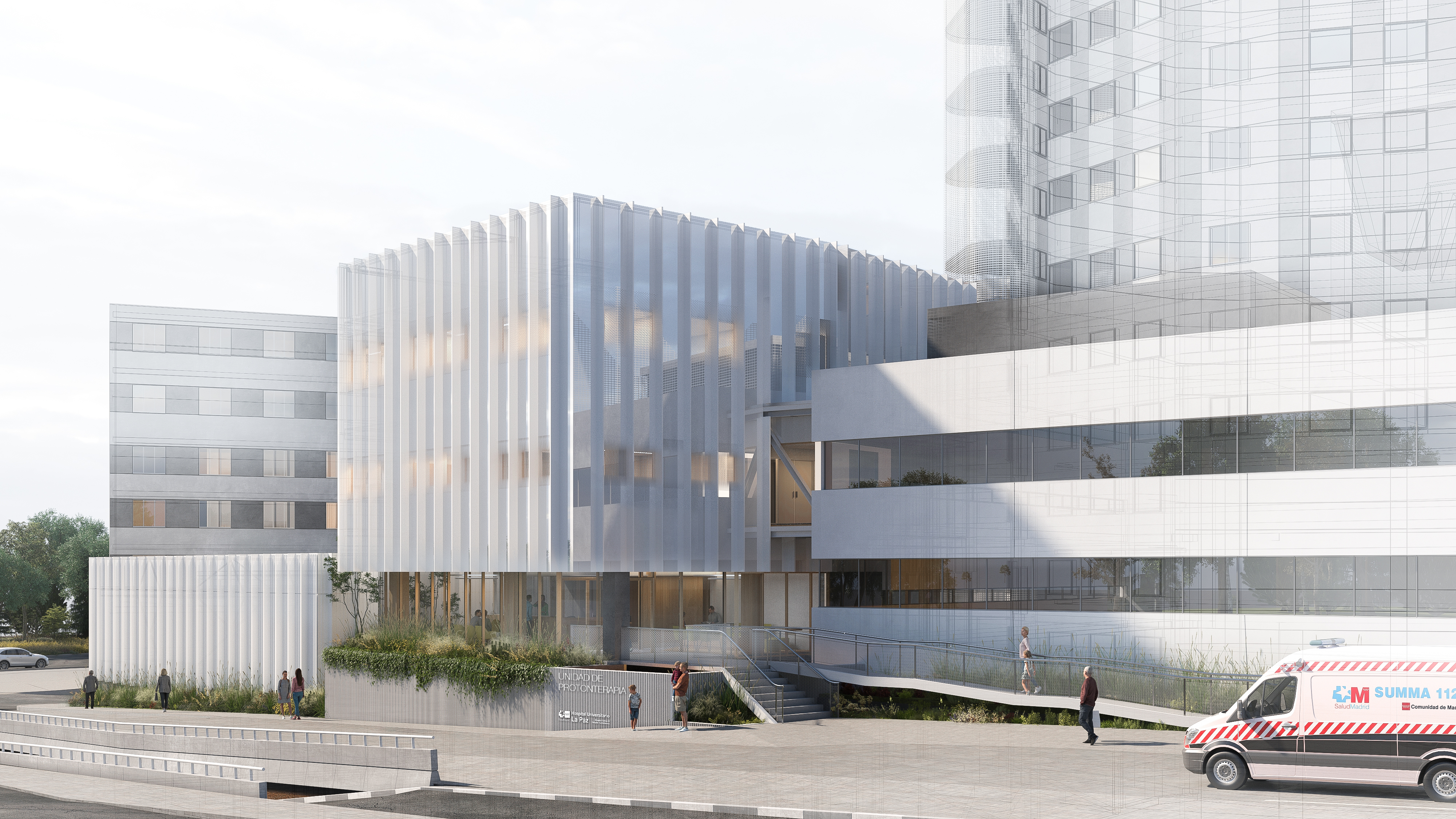
Construction has begun on the future proton therapy unit at La Paz University Hospital, a highly complex healthcare facility that will enable the hospital to offer one of the most advanced and precise cancer treatments available today. IDOM is leading the project, providing architecture, engineering, detailed design, construction management, and technical support for the licensing process with the Nuclear Safety Council (CSN).
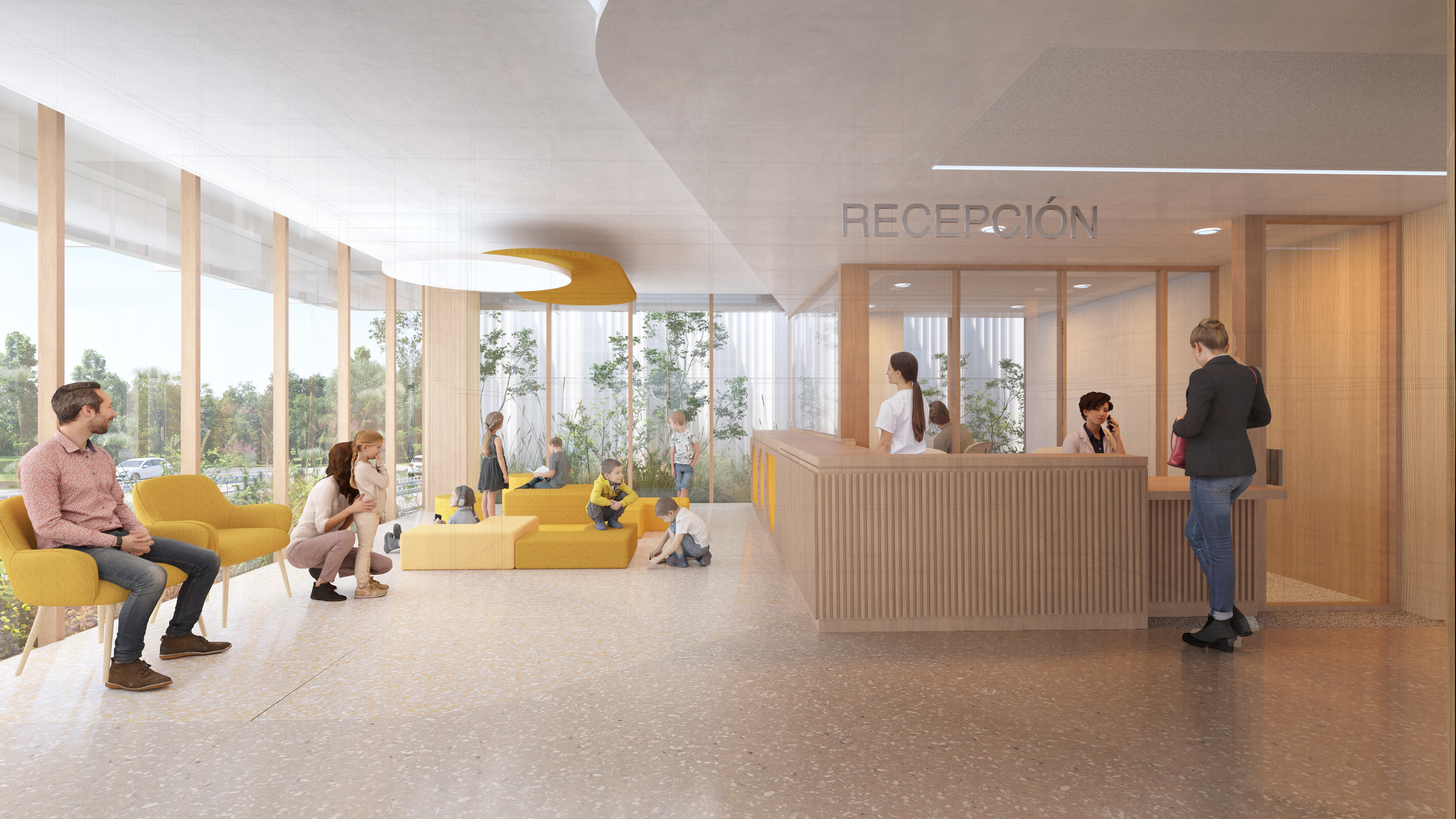
Proton therapy is an advanced form of radiation therapy that uses proton beams to treat tumors with extreme precision, minimizing radiation exposure to healthy tissue. Thanks to the Bragg curve, protons concentrate their maximum energy on tumors, significantly reducing side effects — a particularly important factor for pediatric patients and tumors in hard-to-reach locations.
The new unit is part of the national program to implement proton therapy in the public health system. Made possible by a donation from the Amancio Ortega Foundation, the unit will directly impact patients’ quality of life, aligning with Sustainable Development Goal 3: Good Health and Well-Being.
The project incorporates IBA Proteus One technology and requires an extremely rigorous design from architectural, structural, and radiation protection standpoints. The facilities require thick shielding, advanced security, ventilation, access control, radioactive waste management systems, and precise integration of electrical, mechanical, and cooling systems.
IDOM brings proven experience to the project in designing and developing proton therapy centers. The company has previously worked on the Donostia University Hospital, the Marqués de Valdecilla Hospital in Santander, the Quirónsalud proton therapy center in Pozuelo (the first center of its kind in Spain), and the Hadron Therapy and Research Center at the International University of Kutaisi in Georgia.
IDOM’s multidisciplinary team, comprised of architects, hospital engineers, nuclear engineers, and project managers, ensures a comprehensive response to this extremely demanding technical challenge. The team contributes technology and innovation toward a common goal: improving people’s lives through engineering and architecture.
September 10, 2026


