


Interview with Manuela Casado, Director of Landscape at IDOM
Landscape as a tool for transforming cities
My work involves understanding the relationship between people, nature, and the places they inhabit
“Landscape is present in almost everything we experience outside our homes, even though it often goes unnoticed.” For Manuela Casado, the director of landscape architecture at IDOM, it is about understanding the relationship between people, nature, and the places they inhabit. In this conversation, Casado reflects on the role of landscape in our well-being, its capacity to transform cities and communities, and the need to view landscape architecture as a strategic tool for addressing environmental and social challenges. She also shares some of the experiences that have shaped her professional career, from the traditional oases of Saudi Arabia to large-scale urban integration projects.

The landscape is the backdrop to our daily lives. It influences how we live, how we feel, and how we relate to the world.
How would you explain landscape architecture to someone who has never heard of it?
Landscape architecture is the art of making the relationship between people and their surroundings visible. It’s about understanding and supporting the dynamics of space.
Why is it so important?
Because the landscape is the setting for our daily lives. It influences how we live, how we feel, and how we relate to the world. We design our environment, yet it also shapes us.
Is there a space that made you feel especially good? What do you think made it so special?
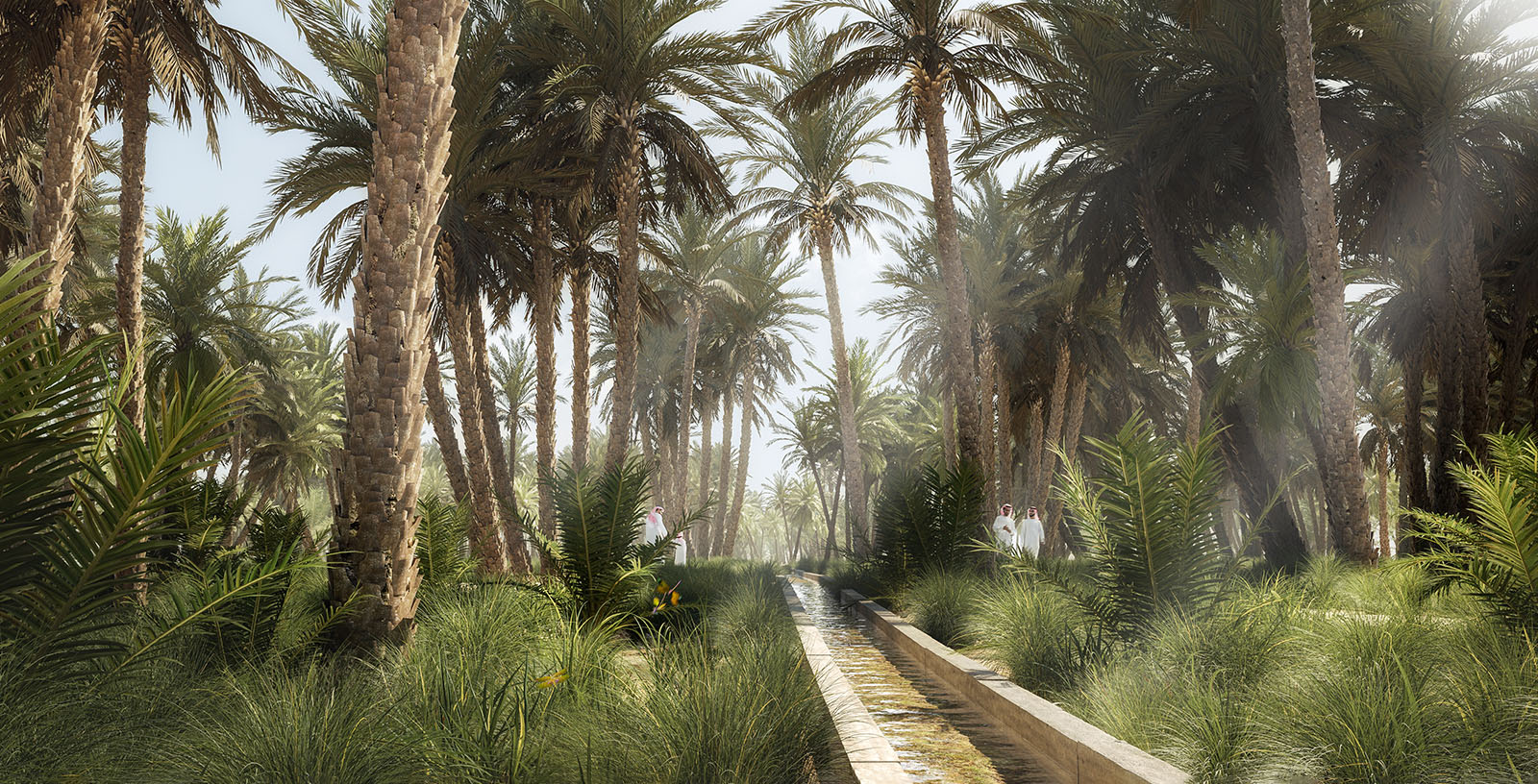
The traditional oases of Saudi Arabia have made a deep impression on me. These places are where nature, human labor, water, and community have learned to coexist over the centuries.
In your experience, how can landscape architecture improve people’s daily lives?
By creating spaces that invite people to walk, meet, rest, and feel a sense of belonging. The landscape can contribute to our well-being, even when we’re not aware of it.
A good public space encourages people to gather and linger, and strengthens the sense of community.
Where do you start with each new project?
I start by observing and listening. I try to understand the place, its history, and its natural processes. I also consider how the people who live there use the space. I believe the best projects arise from the ability to learn from both.
What distinguishes an attractive space from one that truly works and connects with people?
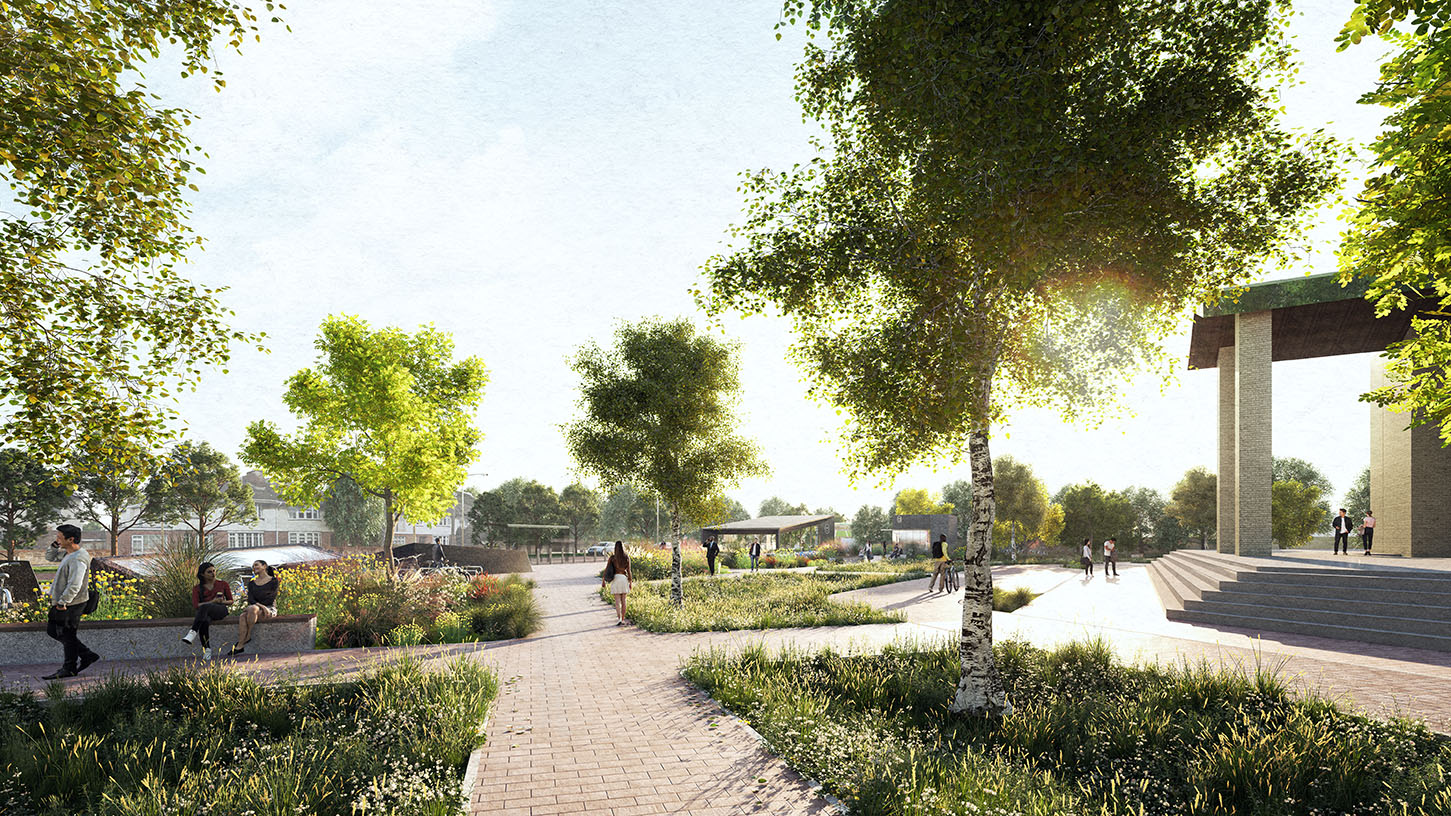
A good public space encourages people to gather and linger, and strengthens a sense of community. Authentic beauty fosters connections; it is not merely visual. True success comes when people make it their own over time.
Do you think landscaping is given the importance it deserves in projects? Is this perspective changing?
It’s changing rapidly. Today, we understand that landscaping is not just an add-on to a project; it’s a strategic tool for addressing environmental, social, and urban issues.
In our projects, landscaping is another discipline that ensures coherence with the surroundings, enhances livability, and adds excellence to the overall design.
What role does the landscape play in our health and well-being in increasingly dense cities?
A fundamental one. It brings nature into our lives, regulates the climate, promotes biodiversity, and mitigates the effects of urban stress. That’s why more and more cities are committed to strengthening their green infrastructure and improving public spaces.
What has been the most complex project you’ve worked on? What made it particularly difficult?
Urban integration projects linked to major transportation infrastructure are particularly complex. They require the coordination of mobility, architecture, urban planning, and landscape design in order to develop a shared vision for the city. It is precisely that complexity that makes them so exciting.
Instead of adapting the landscape to a preconceived idea, we try to understand what already exists.
Is there one you remember with particular fondness?
I have a special fondness for the NEOM Center of Excellence. We restored the existing ecosystem and integrated it with new productive and educational uses. Beyond the awards we’ve won, I value the trusting relationship we built with the client and the project’s positive impact the most.
I’m sure there are some surprising aspects of landscape architecture. Can you share any interesting facts?
One of the biggest surprises is that many abandoned spaces harbor more biodiversity than carefully managed ones. When we learn to observe closely, we often discover that nature provides solutions that are smarter than we imagined.
You work in many different places. How does the landscape adapt to each culture, climate, or way of life?
We don’t adapt the landscape to a preconceived idea. We try to understand what already exists. Every climate and culture has its own unique characteristics that deserve to be recognized. Our job is to discover and reveal that intelligence. That’s where the design always begins.
The goal of landscape architecture is to establish a more balanced relationship between people and their environment.
If you had to convince someone to invest in landscaping with just one idea, what would it be?
Landscaping isn’t a luxury; it’s a necessity. Investing in landscaping means investing in the natural systems that sustain our cities and land. When the landscape improves, our quality of life improves, as do our relationships with one another and our connection to our surroundings.
Finally, how do you envision landscape architecture in a few years? What should change or evolve?
I believe it will become an increasingly interdisciplinary field. We’ll have to combine ecology, technology, and design while remembering that we’re working with living processes and people. The ultimate goal of landscape architecture isn’t to control nature but to help build a more balanced relationship between people and their environment.